Structure & Function of Peripheral Nervous System 2026: Complete Guide to Nerves and Body Communication
The structure and function of the peripheral nervous system play a critical role in keeping the human body connected and responsive. This complex network of nerves carries signals between the brain, spinal cord, muscles, skin, and internal organs. Understanding how the peripheral nervous system works helps explain movement, sensation, reflexes, and automatic body functions that occur every second of our lives.
Peripheral nervous system
The peripheral nervous system is the nerves that emerge from the central nervous system (the brain and the spinal cord). It consists of the cranial nerves and the spinal nerves, and the cranial nerves are 12 pairs of nerves that emerge from the brain. The peripheral nervous system delivers the sensory information and the kinetic responses between the central nervous system and all the parts of the body.
Peripheral nervous system
The spinal nerves are 31 pairs of nerves that emerge from the spinal cord. The peripheral nervous system consists of the sensory neurons running from the stimulus receptors that inform the central nervous system and the motor neurons running from the central nervous system to the muscles and the glands.
The peripheral nervous system is subdivided into the sensory-somatic nervous system and the autonomic nervous system. The sensory-somatic nervous system consists of 12 pairs of cranial nerves and 31 pairs of spinal nerves.
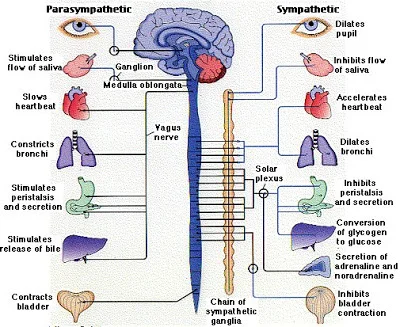
The autonomic nervous system consists of sensory neurons and motor neurons that run between the central nervous system and the various internal organs, such as the heart, the lungs, the viscera, and the glands. The autonomic nervous system has two subdivisions, which are the sympathetic nervous system and the parasympathetic nervous system.
Peripheral nervous system
What is the Peripheral Nervous System?
The peripheral nervous system (PNS) is the large communication network that links the central nervous system, which includes the brain and spinal cord, with the rest of the body. It consists of nerves, ganglia, and sensory receptors spread throughout the body. The peripheral nervous system helps humans react to the environment, move muscles, and regulate internal organs efficiently.
The PNS is divided into two major sections: the somatic nervous system and the autonomic nervous system. The somatic system controls voluntary actions such as walking, writing, and speaking, while the autonomic system controls involuntary activities like heartbeat, digestion, and breathing. These systems work together continuously to maintain balance inside the body.
Without the peripheral nervous system, communication between the brain and body would stop completely. Sensory information, such as pain, temperature, touch, and pressure, would never reach the brain, and motor commands would never reach muscles or glands. This makes the peripheral nervous system essential for survival and daily functioning.
Structure of the Peripheral Nervous System
The structure of the peripheral nervous system includes all nerves located outside the brain and spinal cord. These nerves branch extensively throughout the body like electrical cables, creating a fast communication system. The main components include cranial nerves, spinal nerves, ganglia, and sensory receptors.
Cranial nerves originate directly from the brain and mainly control functions involving the head, face, eyes, ears, and neck. There are twelve pairs of cranial nerves, each with specialized sensory or motor functions. Spinal nerves emerge from the spinal cord and spread throughout the arms, chest, abdomen, and legs, carrying sensory and motor information in both directions.
The autonomic nervous system is another important structural part of the PNS and is divided into the sympathetic and parasympathetic systems. The sympathetic system prepares the body for stress or emergencies through the “fight or flight” response, while the parasympathetic system helps the body relax, recover, and conserve energy. Together, these divisions maintain proper body function and internal stability.
Functions of the Peripheral Nervous System
One major function of the peripheral nervous system is to transmit sensory information from the body to the brain. Sensory receptors detect heat, cold, pain, pressure, taste, smell, and touch, then send electrical signals through peripheral nerves to the central nervous system for interpretation. This allows humans to interact safely and effectively with their surroundings.
Another important function is controlling voluntary movement. Motor nerves carry commands from the brain and spinal cord to skeletal muscles, enabling activities such as walking, running, typing, and facial expressions. The somatic nervous system ensures precise coordination and smooth muscular movement during daily activities.
The peripheral nervous system also regulates involuntary body functions through the autonomic nervous system. It controls heartbeat, blood pressure, breathing rate, digestion, sweating, and gland secretion without conscious effort. These automatic processes are essential for maintaining life and helping the body respond rapidly to changes in the environment.
FAQ About the Peripheral Nervous System
1. What is the main function of the peripheral nervous system?
The peripheral nervous system connects the brain and spinal cord to the rest of the body, transmitting sensory information and motor commands.
2. What are the two main divisions of the peripheral nervous system?
The peripheral nervous system is divided into the somatic nervous system and the autonomic nervous system.
3. What is the difference between the somatic and autonomic nervous systems?
The somatic nervous system controls voluntary movements, while the autonomic nervous system controls involuntary activities like heartbeat and digestion.
4. How many cranial nerves are in the peripheral nervous system?
There are twelve pairs of cranial nerves connected directly to the brain.
5. What do spinal nerves do?
Spinal nerves carry sensory and motor signals between the spinal cord and the rest of the body.
6. Why is the peripheral nervous system important?
It allows communication between the central nervous system and body organs, muscles, and sensory receptors.
7. What is the sympathetic nervous system?
The sympathetic nervous system prepares the body for stressful situations through the fight-or-flight response.
8. What is the parasympathetic nervous system?
The parasympathetic nervous system helps the body relax, conserve energy, and recover after stress.
9. Can peripheral nerves regenerate?
Some peripheral nerves can regenerate slowly after injury, depending on the severity of the damage.
10. What diseases affect the peripheral nervous system?
Conditions such as peripheral neuropathy, nerve compression, diabetes-related nerve damage, and autoimmune disorders can affect the peripheral nervous system.
You can follow science online on YouTube from this link: Science online
Autonomic nervous system, Reflex action types & Autonomic ganglia function
Functions of Sympathetic nervous system & Role of the sympathetic in emergencies
Nervous system in man, Nerve cells types & Nature of nerve impulse
Nervous system (Central nervous system, Peripheral nervous system & Autonomic nervous system)