
10 Powerful Facts About the Importance of Good and Bad Conductors of Heat in 2026
All metals are good conductors of heat, and they are different in conducting heat, which means that some metals conduct heat faster than others. The heat makes us comfortable and helps us to prepare our food, and it is an interesting form of energy. Learn the importance of good and bad conductors of heat with simple examples. Understand why metals conduct heat and why insulators protect us.
Heat conductors
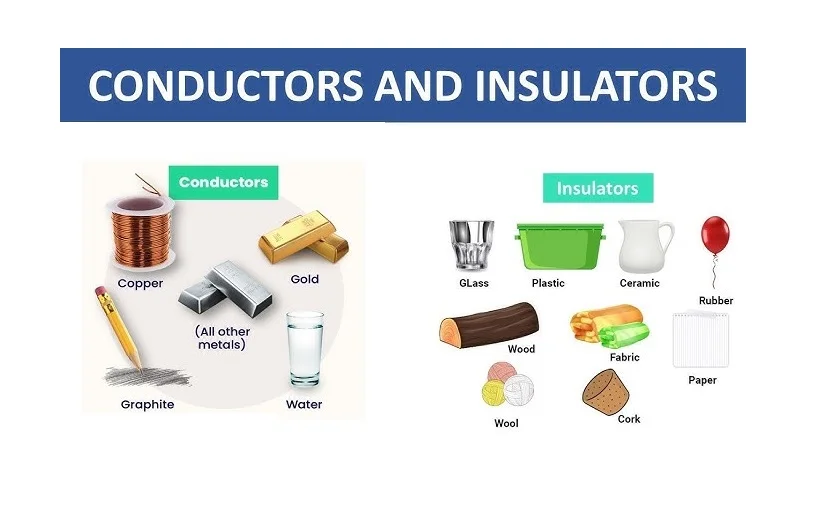
Some materials allow heat to flow through them, and they are known as good conductors of heat or heat conductors, such as iron, aluminum, copper, silver, brass, lead, and stainless steel.
The metals are better conductors because they contain free electrons, and the electrons move through the metal easily. They gain kinetic energy from collisions with hot atoms and pass on the energy when they collide with cold atoms. This transfers the heat more quickly.
Leaving the spaces between the railway bars, which are made of iron to avoid train accidents, where iron is a good conductor of heat, so, it expands and twists by the heat.
Good and bad conductors of heat
The different metals differ in conducting the heat, where copper conducts the heat faster than aluminum, and aluminum conducts the heat faster than iron.
Heat insulators
Some materials do not allow the heat to flow through them, and they are known as bad conductors of heat or heat insulators. The insulators are poor conductors of heat, the poor conductors are good insulators, and they are materials that the heat can not travel.
Heat insulators such as wood, glass, paper, wool, rubber, liquids, plastic, cork, styrofoam, the vacuum, and gases, especially the air.
The people benefit from the air as an insulator material in keeping the heat in the cold countries; the air is used in making the insulating glass windows.
The insulating glass window is made by bonding two glass sheets and leaving a space filled with air between them to prevent the leakage of heat.
Usages of good and bad conductors of heat
Aluminum, copper, and stainless steel are good heat conductors as they are metals. They are used in making cooking pots and the kettles that are used in houses and factories.
The cooking pots get heated up quickly, and the food can be cooked efficiently in a shorter time. Plastic and wood are heat insulators; they are used in making handles of cooking pots and iron kettles. They help hold them comfortably.
Wool is a heat insulator that is used in making heavy blankets and warm clothes. So, they are used in the winter to keep the body warm and prevent the leakage of the heat. The hair and the fur of animals are bad conductors of heat and they protect them from cold.
Vehicles carrying inflammable materials such as petrol are covered with materials of bad conductors of heat to prevent petrol from heating up and catching fire.
Building materials like bricks, asbestos, and mud are bad conductors of heat; they do not permit heat and cold to pass through the walls of the bricks.
The building materials keep the houses warm in the winter and cool in the summer, and the roof sheds are made of asbestos for the same reason.
Importance of good and bad conductors of heat
Good and bad conductors of heat are important in science, engineering, and everyday life because these properties influence how materials are used in many applications.
Importance of Good Conductors of Heat
Good conductors transfer heat quickly and efficiently, such as metals like copper, aluminum, and silver.
Applications
- Materials such as stainless steel or copper are used for pots and pans to distribute heat evenly, ensuring food cooks properly.
- In industries, materials such as aluminum or copper are used in radiators, condensers, and HVAC systems to transfer heat efficiently.
- Good conductors dissipate heat in devices like computer processors and heat sinks, preventing overheating.
- They are essential in designing engines, turbines, and spacecraft to manage heat effectively.
- They are used in solar panels, where materials efficiently transfer heat to generate energy.
Importance of Bad Conductors of Heat
Bad conductors (or insulators) slow down the transfer of heat, such as wood, plastic, rubber, and air.
Applications:
- Materials such as fiberglass, foam, or wool are used in buildings to keep interiors warm in winter and cool in summer, reducing energy costs.
- Plastic or rubber handles prevent heat from transferring to the user’s hand, ensuring safety.
- Insulating materials help maintain the temperature of beverages or food by reducing heat transfer.
- Wool, cotton, and synthetic fibers trap air and prevent heat loss, keeping the body warm.
- Non-conductive materials prevent overheating and ensure user safety in items like hairdryers or irons.
Importance in Nature and Environment
- Thermal Regulation in Animals: Fur, feathers, and blubber are poor conductors that help animals retain heat in cold climates.
- Geological Stability: Earth’s crust is a poor conductor, helping maintain the planet’s internal heat and enabling tectonic activity.
Practical Examples of Combined Use
- Refrigerators: The outer casing is made of insulators, while good conductors like aluminum coils are used for cooling systems.
- Spacecraft Design: Insulators protect astronauts from extreme temperatures, while conductors manage heat generated by instruments.
Facts About the Importance of Good and Bad Conductors of Heat in 2026
Heat conductors and insulators play an important role in modern technology, industry, medicine, transportation, and daily life. In 2026, scientists and engineers continue developing advanced materials that improve energy efficiency, safety, and sustainability.
What are Good Conductors of Heat?
Good conductors of heat are materials that allow heat energy to pass through them quickly. Most metals are excellent heat conductors.
Common Examples:
- Copper.
- Aluminum.
- Silver.
- Iron.
- Steel.
Why Good Conductors of Heat are Important
- Used in Cooking Equipment: Metals like copper and aluminum are widely used in cooking pots and pans because they transfer heat evenly and quickly, helping food cook faster and saving energy.
- Essential in Electronics: Modern smartphones, gaming devices, laptops, and AI processors in 2026 generate large amounts of heat. Heat-conducting materials help cool these devices and prevent overheating.
- Important in Renewable Energy: Solar water heaters and advanced solar panels use heat conductors to transfer thermal energy efficiently and improve performance.
- Used in Cars and Electric Vehicles: Electric vehicles use thermal management systems with heat-conducting metals to cool batteries and improve safety and battery life.
- Applied in Industrial Machines: Factories use conductive materials in boilers, engines, and heat exchangers to improve industrial efficiency.
What are Bad Conductors of Heat?
Bad conductors of heat, also called thermal insulators, are materials that slow down heat transfer.
Common Examples:
- Wood.
- Plastic.
- Rubber.
- Glass.
- Air.
- Foam.
Why Bad Conductors of Heat are Important
- Protect People from Burns: Handles of cooking utensils are often made from plastic or wood because these materials reduce heat transfer and protect hands.
- Improve Home Insulation: Modern buildings in 2026 use advanced insulating materials to reduce heat loss in winter and keep homes cool in summer, lowering electricity bills.
- Used in Refrigerators and Coolers: Thermal insulators help refrigerators maintain low temperatures and improve energy efficiency.
- Important in Space Technology: Spacecraft and satellites use heat-resistant insulating materials to protect equipment from extreme temperatures in space.
- Used in Medical and Safety Equipment: Insulating materials are used in protective gloves, laboratory equipment, and medical devices to improve safety.
Interesting Facts About Heat Conductors and Insulators in 2026
- Graphene is becoming one of the most advanced heat-conducting materials in modern electronics.
- Aerogel is considered one of the lightest and best thermal insulators used in space and green buildings.
- Smart insulation systems are helping reduce global energy consumption.
- AI-powered cooling systems now improve heat control in data centers and electric vehicles.
- Scientists are developing eco-friendly insulating materials from recycled products.
Comparison Between Good and Bad Conductors of Heat
Good conductors of heat are materials that allow heat energy to pass through them quickly and efficiently. These materials are mostly metals such as copper, aluminum, iron, and silver. They are widely used in cooking utensils, electronic devices, industrial machines, and car engines because they transfer heat rapidly. In 2026, advanced technologies continue to rely on good conductors of heat to improve cooling systems, battery performance, and energy efficiency in modern devices and renewable energy systems.
Bad conductors of heat, also known as thermal insulators, are materials that slow down or prevent the transfer of heat. Examples include wood, plastic, rubber, glass, air, and foam. These materials are important for protecting people and conserving energy. They are commonly used in building insulation, refrigerator walls, protective gloves, and handles of cooking tools. In 2026, modern smart homes and eco-friendly buildings use advanced insulating materials to reduce electricity consumption and maintain comfortable indoor temperatures.
The main difference between good and bad conductors of heat is the speed at which they transfer thermal energy. Good conductors transfer heat quickly, making them suitable for heating and cooling applications, while bad conductors resist heat flow, making them ideal for insulation and safety purposes. Both types of materials are essential in everyday life, industry, transportation, medicine, and technology because they help control heat according to different human needs and applications.
FAQ: Importance of Good and Bad Conductors of Heat
What is a conductor of heat?
A conductor of heat is a material that allows heat to pass through it easily. Examples: copper, aluminum, iron.
What is a bad conductor of heat (insulator)?
A bad conductor of heat (also called an insulator) does not allow heat to pass through easily. Examples: wood, plastic, rubber, glass, air.
Why are good conductors of heat important?
Good conductors are important because they:
- Transfer heat quickly and efficiently.
- Help in cooking (pots and pans).
- Are used in heat exchangers and radiators.
- Improve the performance of electrical and mechanical devices.
Example: Metal cooking utensils get hot fast and help cook food evenly.
Why are bad conductors of heat important?
Bad conductors (insulators) are important because they:
- Reduce heat loss or heat gain.
- Protect us from burns.
- Help keep things hot or cold for longer.
- Improve energy efficiency in homes.
Example: Plastic or wooden handles on pans prevent your hand from burning.
How are good and bad conductors used together?
They are often used together for safety and efficiency. Example: A frying pan has a metal body (good conductor) to cook food and a plastic/wooden handle (bad conductor) to protect your hand.
What materials are good conductors of heat?
Common good conductors include:
- Copper.
- Aluminum.
- Silver.
- Iron and steel.
What materials are bad conductors of heat?
Common bad conductors (insulators) include:
- Wood.
- Plastic.
- Rubber.
- Glass.
- Air.
- Wool.
Why are good conductors used in cooking utensils?
Because they:
- Transfer heat quickly and evenly.
- Reduce cooking time.
- Save energy.
Example: Aluminum and copper pots heat up fast and cook food efficiently.
Why are bad conductors used in building houses?
Because they:
- Keep homes warm in winter and cool in summer.
- Reduce electricity bills.
- Improve comfort.
Example: Foam, fiberglass, and air gaps in walls reduce heat transfer.
Can a material be both a good and a bad conductor?
A material is usually classified as either a good conductor or a bad conductor of heat, but some materials can be modified (like metal with an insulation coating) to control heat flow.
Why is copper a good conductor of heat?
Because heat flows easily through copper due to the movement of free electrons.
Why is plastic used on pan handles?
Plastic is a bad conductor of heat and protects hands from burns.
What is the difference between good and bad conductors of heat?
A: Good conductors allow heat to pass easily, while bad conductors resist heat flow.
Give two examples of good conductors of heat.
Copper and aluminum.
Give two examples of bad conductors of heat.
Wood and rubber.
Conclusion
Good and bad conductors of heat are essential in science, engineering, medicine, transportation, and everyday life. In 2026, advanced thermal materials are helping create safer homes, faster electronics, greener energy systems, and more efficient technologies for the future.
You can follow Science Online on YouTube from this link: Science Online
Solar energy (Sun), Ways of heat transfer (conduction, convection, and radiation)
Metallic and nonmetallic properties, Acidic and basic properties in the periodic table
Heat changes accompanying physical changes, and Explanation of the source of the heat of solution
Heat Changes accompanying Chemical changes and Hess’s law of constant heat summation






most favorate
Thank you very much for your comment
Thanks a lot for helping me
You are welcome
appreciate it very much
Thank you for your comment
Nice article. This is such good information. Always reading your articles. Thanks for sharing this valuable knowledge with us.
You are welcome
hi, good post
Thanks for this information. It helped a lot.
You are welcome