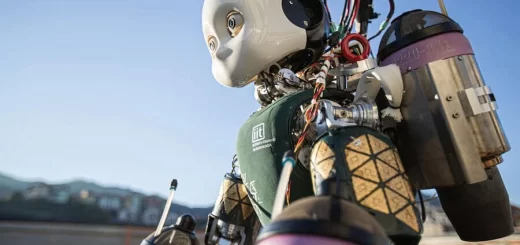
Robotics and Autonomous Systems: The Amazing Future of Smart Machines in 2026
Robotics and autonomous systems are revolutionizing the modern world by combining artificial intelligence, sensors, machine learning, and advanced automation to perform tasks with minimal or no human intervention. From self-driving cars and warehouse robots to surgical assistants and space exploration, these intelligent systems are improving efficiency, reducing costs, and making dangerous jobs safer.
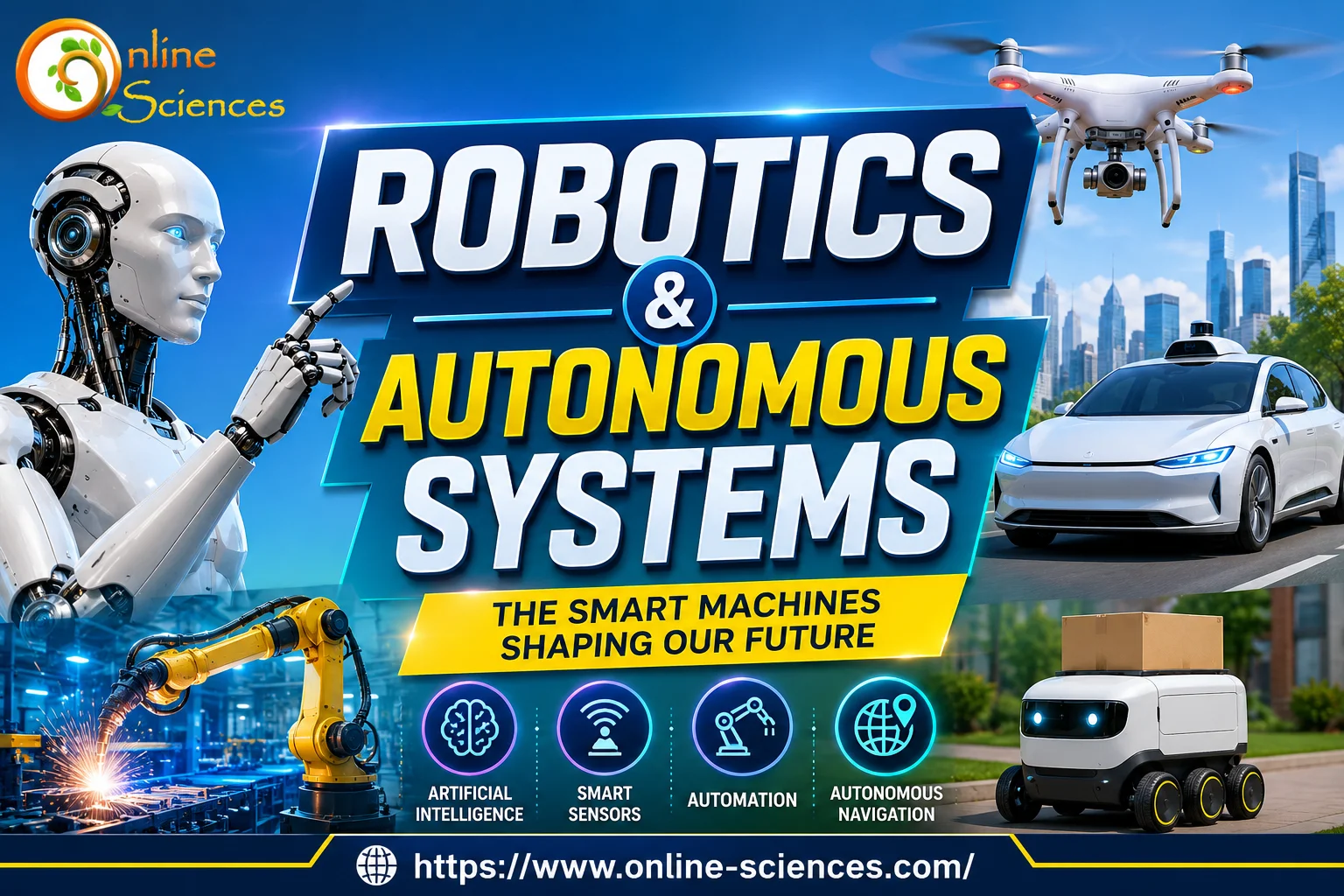
Robotics and Autonomous Systems
What Are Robotics and Autonomous Systems?
Robotics is the branch of engineering and computer science that focuses on designing, building, programming, and operating robots. Autonomous systems are intelligent machines capable of sensing their surroundings, making decisions, and completing tasks independently without continuous human control. Together, robotics and autonomous systems (RAS) integrate:
- Artificial Intelligence (AI).
- Machine Learning (ML).
- Computer Vision.
- Sensors.
- GPS.
- LiDAR.
- Robotics software.
- Embedded systems.
- Internet of Things (IoT).
These technologies allow robots to understand their environment, plan actions, and continuously improve their performance.
How Robotics and Autonomous Systems Work
Modern autonomous robots typically follow these steps:
- Perception: Robots collect information using Cameras, LiDAR, Radar, Ultrasonic sensors, Infrared sensors, GPS, and touch sensors.
- Data Processing: Powerful processors analyze the collected data using AI algorithms and machine learning models.
- Decision Making: The robot determines the best action based on: Environment, Goals, Safety rules, and Previous experience.
- Motion Planning: The system calculates the safest and most efficient path.
- Action: Motors, robotic arms, wheels, drones, or legs execute the task.
- Learning: Many autonomous robots continuously improve through reinforcement learning and data analysis.
Main Components of Autonomous Robots
Modern robots consist of several important components:
- Sensors.
- AI processor.
- Controllers.
- Actuators.
- Power supply.
- Communication systems.
- Navigation software.
- Cameras.
- Robotics operating systems.
Types of Robotics and Autonomous Systems
Industrial Robots
Used in:
- Car manufacturing.
- Electronics production.
- Packaging.
- Welding.
- Painting.
- Assembly lines.
Benefits include speed, precision, and continuous operation.
Mobile Robots
These robots move independently in warehouses, hospitals, and shopping centers.
Examples include:
- Delivery robots.
- Cleaning robots.
- Inspection robots.
Autonomous Vehicles
These systems include:
- Self-driving cars.
- Autonomous buses.
- Driverless trucks.
- Agricultural tractors.
They rely on AI, GPS, LiDAR, and computer vision.
Medical Robots
Healthcare robots perform tasks such as:
- Robotic surgery.
- Patient monitoring.
- Hospital logistics.
- Rehabilitation.
- Pharmacy automation.
Service Robots
Found in:
- Hotels.
- Restaurants.
- Airports.
- Homes.
- Offices.
They help with customer service and daily activities.
Military Robots
Applications include:
- Bomb disposal.
- Reconnaissance.
- Surveillance.
- Search and rescue.
- Logistics.
Agricultural Robots
Used for:
- Planting.
- Harvesting.
- Crop monitoring.
- Weed removal.
- Precision spraying.
Space Robots
Organizations like NASA use autonomous robots for:
- Planet exploration.
- Satellite maintenance.
- Sample collection.
- Space station operations.
Applications of Robotics and Autonomous Systems
Manufacturing
Factories use robots to:
- Assemble products.
- Inspect quality.
- Transport materials.
- Package goods.
Healthcare
Hospitals benefit from robotics through:
- Minimally invasive surgery.
- Medical imaging assistance.
- Laboratory automation.
- Elderly care.
Transportation
Autonomous systems support:
- Self-driving cars.
- Smart traffic management.
- Autonomous ships.
- Delivery drones.
Logistics
Large warehouses use autonomous robots for:
- Order picking.
- Inventory tracking.
- Package sorting.
- Automated delivery.
Agriculture
Farmers use robotics for:
- Precision farming.
- Irrigation.
- Soil monitoring.
- Livestock management.
Construction
Robots assist with:
- Brick laying.
- Site inspection.
- Heavy lifting.
- 3D concrete printing.
Education
Educational robots help students learn:
- Coding.
- Engineering.
- AI.
- Programming.
- Robotics design.
Home Automation
Household robots perform:
- Vacuum cleaning.
- Lawn mowing.
- Security monitoring.
- Smart home management.
Benefits of Robotics and Autonomous Systems
- Increased Productivity: Robots work 24/7 without fatigue.
- Higher Accuracy: They minimize human errors.
- Improved Safety: Robots perform hazardous tasks in dangerous environments.
- Cost Savings: Automation reduces labor costs over time.
- Faster Operations: Production and logistics become significantly quicker.
- Better Quality Control: AI-powered inspection systems detect defects with remarkable precision.
- Scalability: Businesses can expand operations more efficiently.
Challenges of Robotics and Autonomous Systems
Despite their advantages, several challenges remain.
- High Development Costs: Building advanced robots requires significant investment.
- Cybersecurity Risks: Connected robots may become targets for cyberattacks.
- Ethical Concerns: Questions arise regarding AI decision-making and accountability.
- Job Displacement: Automation may replace repetitive jobs while creating new technical careers.
- Complex Environments: Robots still struggle with unpredictable situations.
- Regulatory Issues: Governments continue to develop safety standards for autonomous systems.
Artificial Intelligence in Robotics
Artificial intelligence enables robots to:
- Recognize objects.
- Understand speech.
- Detect emotions.
- Navigate independently.
- Learn from experience.
- Predict future events.
- Make intelligent decisions.
Without AI, most autonomous robots would be unable to function effectively.
Future Trends in Robotics and Autonomous Systems
The next decade will likely introduce:
- Fully autonomous delivery robots.
- AI-powered healthcare assistants.
- Collaborative robots (Cobots).
- Smart manufacturing factories.
- Humanoid robots.
- Swarm robotics.
- Autonomous flying taxis.
- Advanced space exploration robots.
- AI-driven disaster response systems.
- Personal home assistants.
Experts expect robotics to become even more intelligent, adaptable, and accessible across nearly every industry.
Industries Being Transformed by Robotics
Some of the fastest-growing sectors adopting autonomous systems include:
- Manufacturing.
- Healthcare.
- Agriculture.
- Transportation.
- Defense.
- Retail.
- Logistics.
- Construction.
- Energy.
- Space exploration.
- Mining.
- Hospitality.
The Future of Robotics in Everyday Life
Soon, autonomous robots may become as common as smartphones. They could assist with household chores, provide personalized healthcare, deliver groceries, monitor homes, teach children, and even support elderly individuals in maintaining independent lifestyles.
As artificial intelligence continues to evolve, robotics and autonomous systems will play an increasingly important role in shaping smarter cities, safer workplaces, and more efficient industries worldwide.
FAQ about Robotics and Autonomous Systems
1. What are robotics and autonomous systems?
They are intelligent machines that combine robotics, artificial intelligence, sensors, and automation to perform tasks with little or no human intervention.
2. What is the difference between robotics and autonomous systems?
Robotics focuses on designing and building robots, while autonomous systems emphasize independent decision-making and operation.
3. Where are autonomous robots used?
They are widely used in manufacturing, healthcare, transportation, agriculture, logistics, defense, retail, and space exploration.
4. How does AI improve robotics?
AI enables robots to recognize objects, learn from data, make decisions, navigate independently, and adapt to changing environments.
5. Are autonomous robots replacing human workers?
They mainly replace repetitive and hazardous tasks while creating new opportunities in robotics engineering, AI development, maintenance, and system management.
6. What industries benefit the most from robotics?
Manufacturing, healthcare, logistics, agriculture, construction, and transportation currently experience the greatest benefits.
7. What are collaborative robots (Cobots)?
Cobots are robots designed to safely work alongside humans, improving productivity without replacing human workers.
8. What is the future of robotics and autonomous systems?
Future advancements include smarter humanoid robots, autonomous vehicles, AI healthcare assistants, intelligent factories, and expanded space exploration.
Robotics vs Autonomous Systems
Robotics and autonomous systems are closely related fields, but they are not the same. Robotics focuses on the design, construction, programming, and operation of robots. A robot can be as simple as a robotic arm on a factory assembly line or as advanced as a humanoid robot. Many robots require human control or follow pre-programmed instructions to complete repetitive tasks with high speed and precision. The primary goal of robotics is to create machines that can assist or replace humans in physical tasks.
Autonomous systems, on the other hand, emphasize intelligence and independent decision-making. An autonomous system can sense its environment, analyze data using artificial intelligence (AI), and make decisions without constant human supervision. These systems use technologies such as machine learning, computer vision, LiDAR, GPS, and advanced sensors to adapt to changing conditions. Examples include self-driving cars, autonomous drones, robotic warehouse vehicles, and AI-powered delivery robots that can navigate complex environments on their own.
The key difference is that not all robots are autonomous, but many autonomous systems are robots. A traditional industrial robot may repeat the same programmed movements every day without understanding its surroundings, while an autonomous robot can detect obstacles, plan a new route, and adjust its actions in real time. As artificial intelligence continues to advance, the gap between robotics and autonomous systems is narrowing, leading to smarter, safer, and more capable machines that are transforming industries such as healthcare, manufacturing, agriculture, transportation, and space exploration.
Conclusion
Robotics and autonomous systems are reshaping industries and everyday life through intelligent automation, precision, and continuous innovation. Powered by artificial intelligence, advanced sensors, and machine learning, these technologies are solving complex challenges in manufacturing, healthcare, logistics, agriculture, and beyond. As technology continues to evolve, autonomous systems will become more capable, affordable, and integrated into society, making them one of the most influential technologies of the 21st century.
You can subscribe to science online on YouTube from this link: Science Online
Dynamics Atlas review, advantages & features, How does Atlas robot work?
Boston Dynamics Handle robot review, features and importance
Emo robot review, advantages, disadvantages, features & What can Emo do?
Eilik Desktop Companion Robot structure, features, use, advantages & disadvantages
Tesla robots (Optimus) review, use, advantages & disadvantages