Breathing Life: A Deep Dive into the Human Respiratory System Structure and Vitality
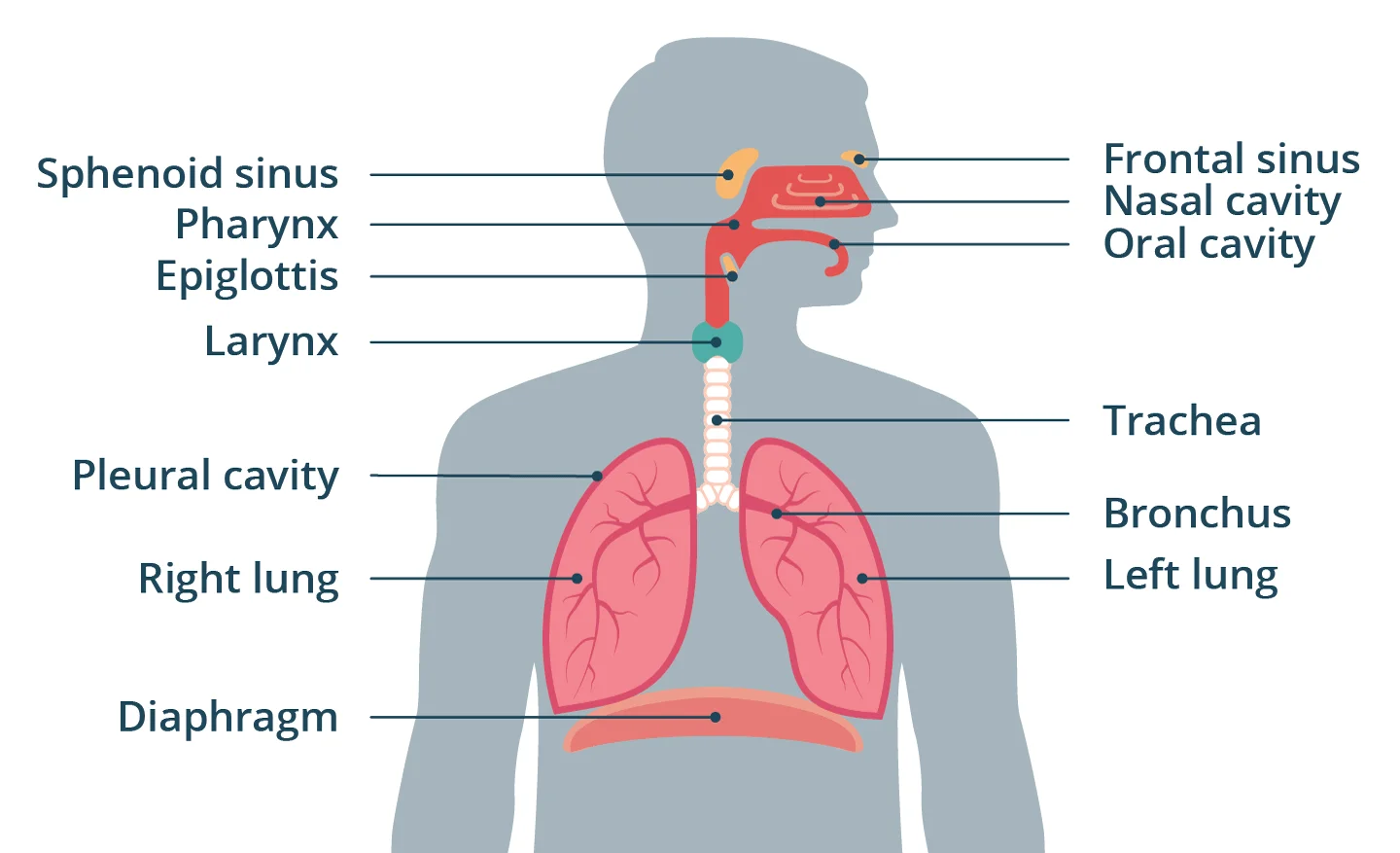
The human respiratory system consists of the nose, the pharynx, the trachea, two bronchi, and two lungs. It is also called the respiratory apparatus, the ventilatory system, and it is used for the process of respiration in organisms.
Human Respiratory System Structure
The human respiratory system is a complex network of organs and tissues designed to facilitate the vital exchange of gases between the body and the environment. It begins with the upper respiratory tract, where the nose and nasal cavity filter, warm, and humidify incoming air before it passes through the pharynx and larynx.
As air descends into the lower respiratory tract, it travels down the trachea (windpipe), which branches into two primary bronchi leading into the lungs. These bronchi further divide into smaller bronchioles, eventually terminating in microscopic air sacs called alveoli.
It is within these millions of thin-walled alveoli, surrounded by a dense web of capillaries, that the critical process of diffusion occurs, allowing oxygen to enter the bloodstream while carbon dioxide is expelled as a waste product.
The Vital Necessity: Why Respiration Matters
The fundamental importance of the respiratory system lies in its role as the primary provider of oxygen for cellular respiration, the biochemical process that generates ATP (energy) to power every function in the human body. Without a constant supply of oxygen, our cells—particularly those in the brain and heart—would begin to fail within minutes, leading to irreversible damage.
Beyond mere energy production, the system acts as a master regulator of acid-base balance (pH) in the blood; by adjusting the rate of carbon dioxide removal, the lungs help maintain the delicate chemical environment necessary for enzymes and proteins to function correctly.
Furthermore, the respiratory system serves as a crucial line of defense and communication for the organism. The mucociliary escalator and specialized immune cells within the lung tissue trap and neutralize inhaled pathogens, dust, and pollutants before they can enter the systemic circulation.
Additionally, the system enables vocalization and olfaction, allowing the larynx to produce sound for speech and the nasal cavity to detect chemical signatures in the air. This multi-functional nature makes the respiratory system not just a “breathing machine,” but a central pillar of homeostatic regulation, sensory perception, and immune integrity that sustains the entire human life cycle.
Human Respiratory System
Nose
The nose is very important in our respiratory system as it is the first part of the respiratory system, through which the air enters the body, and it is lined with the mucus layer and hairs to filter the air from the dust and the microbes before entering the lungs.
The function of the nose is very important as it is lined with the blood capillaries to warm the air before entering the lungs, so we should breathe through the nose and not through the mouth.
Pharynx
The pharynx is important as it is connected to the esophagus, so it is a common cavity between the digestive system and the respiratory system.
Trachea
The trachea is very important in the respiratory system as it is a cartilaginous tube that exists in the thoracic cavity. You should know that there are the larynx and the epiglottis at the top of the trachea. The larynx (the voice box) is very important in our respiratory system as it contains the two vocal cords, which vibrate to produce the sound.
The epiglottis lies at the top of the larynx, and it closes the larynx or the trachea during swallowing to prevent food from entering the trachea. The bottom of the trachea is branched into two narrow tubes called bronchi, which enter the two lungs (one bronchus in each lung).
The trachea is lined with cilia to eject foreign objects. It is supported by incomplete cartilaginous rings to be permanently opened for breathing.
Two lungs
The two lungs occupy the thoracic cavity, they are surrounded by ribs (rib cage), and they have air sacs (the alveoli) in which gas exchange takes place. The walls of the alveoli and the blood capillaries are very thin to permit the exchange of gases.
The lungs are very important in the respiratory system. Each lung contains a bronchus, which is divided into bronchioles. The bronchioles end in tiny air sacs called the alveoli that are surrounded by networks of blood capillaries.
FAQ about the Human Respiratory System
1. What is the primary muscle responsible for breathing?
The diaphragm is the most important muscle in respiration. It is a dome-shaped sheet of muscle located at the base of the lungs that contracts and flattens to create a vacuum, drawing air into the chest cavity.
2. How do the lungs prevent collapse?
The lungs produce a substance called surfactant within the alveoli. This fluid reduces surface tension, preventing the tiny air sacs from sticking together and collapsing during exhalation.
3. What is the difference between internal and external respiration?
External respiration refers to the exchange of gases between the atmosphere and the blood in the lungs. Internal respiration is the exchange of gases between the blood and the actual body cells.
4. Why does our breathing rate increase during exercise?
When you exercise, your muscles produce more carbon dioxide (CO2). The brain detects the resulting drop in blood pH and signals the respiratory system to increase the rate and depth of breathing to flush out the excess CO2 and bring in more oxygen.
You can follow Science Online on YouTube from this link: Science online
Mechanics of ventilation, Structures of Respiratory system & Functions of conducting zone
Respiratory system function, organs, structure, anatomy & conducting portion
Role of the respiratory system in the excretion process in man & Respiration in plant
Cellular respiration, Structure of ATP and types of fermentation