
What is the importance of the Sun (solar energy)?, How does the Sun affect Earth’s climate?
Do you see the Sun in the sky in the morning every day? Do you know the importance of the Sun? The Sun is the main source of energy on Earth, and solar energy is the cleanest form of energy. The Sun is our star, the center of our solar system, and it is vital for life on Earth.
Benefits of the Sun (solar energy)
-
The Sun is essential in the plant’s growth. The Sun helps the plants to make their food through the photosynthesis process, which produces oxygen for all other living organisms. Photosynthesis is how plants convert sunlight, water, and carbon dioxide into food (glucose) and oxygen.
-
The Sun is the primary source of energy for Earth. It provides light and heat. The Sun is very necessary for other living organisms because it provides us with light for vision and to do our work. The Sun provides us with the heat to warm our bodies.
The Sun provides some animals and humans (that feed on plants) with food as it helps the plants to make their food through the photosynthesis process, which is the process by which they convert light energy into chemical energy. This energy is then used to produce food, which is the base of the food chain. Without sunlight, plants would not be able to grow, and animals would not have food to eat.
-
The Sun is used in heating water and warming houses by the solar heater, which changes the solar energy of the Sun into heat energy. The heat energy is used in warming houses and heating water.
-
The Sun is vital in the formation of clouds, rain, and winds.
Water vapor is formed when the sun evaporates the water in the seas, the lakes, and the oceans. And the clouds are formed When the water vapour rises in the sky, it cools and condenses, forming the clouds.
The Sun‘s heat causes the difference in temperature in some areas, so the winds are formed.
The clouds move by the effect of the winds, and when the volume of the water drops, the clouds increase, and the air can’t carry them, so the rain falls.
-
The Sun is very important in the formation of petroleum oil, and coal. It is one of the main factors in the formation of fuel.

Importance of the Sun
-
The Sun helps in the formation of fuel to operate the machines.
-
It is advisable to expose the children to the Sun rays for suitable periods as the Sun emits ultraviolet rays that help in the formation of vitamin ” D “, which is necessary for bone growth and immune function.
-
The Sun is used to generate electricity by the windmills. The windmills change wind energy into electric energy. The wind that is produced by the Sun is used in rotating the windmills, which are used to operate the generators (dynamos) to generate electricity. The Sun is used to generate electricity by solar cells and windmills. The solar cells change solar energy into electric energy.
- Sunlight exposure can also boost your mood and help to regulate your sleep-wake cycle. The sun warms us up, it lifts your mood to a state of tranquility and radiance, it eases depression as it keeps you happier and fit, the sun brightens your surroundings, and makes colors more vibrant, it’s a great energy booster, It helps keep internal balance and rhythm.
- The sun drives weather, ocean currents, seasons, and climate, and makes plant life possible through photosynthesis. It is a star and the center of our solar system.
- The sun supports better sleep, It improves symptoms of mental health conditions, It can lower blood pressure, and the sun can help decrease the risk of developing metabolic syndrome, which includes high blood pressure, excess body fat, and high blood sugar.
- The sun can heal inflammation and can help with inflammatory skin conditions such as psoriasis, eczema, and acne. Sunlight has been associated with improving autoimmune diseases such as arthritis and inflammatory bowel disease.
- The sun gives us Vitamin D. It can prevent cancer, as certain cancers have been linked to lower levels of vitamin D, The sun can strengthen bones, and Vitamin D helps the body absorb calcium and phosphate from our diets.
- The Sun‘s heat warms the Earth’s atmosphere, keeping the planet at a temperature that is hospitable for life. Without the Sun‘s heat, Earth would be a frozen wasteland. The Sun‘s heat helps to regulate Earth’s temperature. The Sun‘s rays warm the Earth’s surface, which in turn warms the air and oceans. This warmth is essential for life, as it helps to keep the Earth from freezing over.
- The Sun‘s heat also drives Earth’s weather patterns. The uneven heating of the Earth’s surface by the Sun creates convection currents in the atmosphere and oceans, which produce wind, rain, and other weather phenomena.
- The Earth’s rotation on its axis, relative to the Sun, is what creates the day-night cycle. This cycle is important for many biological processes, such as sleep and plant growth.
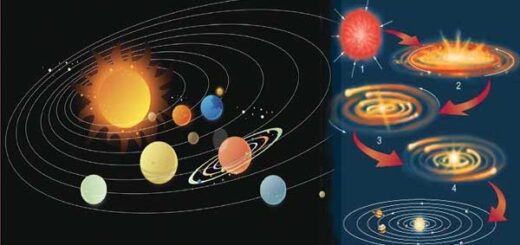
- The Sun provides us with the energy we need to survive, regulates our climate, and supports a variety of biological processes. The Sun is like a giant ball of hot gas at the center of our solar system. It’s the most important star to us, as it provides the Earth with the energy it needs to sustain life.
- The tilt of Earth’s axis as it orbits the Sun causes the seasons. In the summer, the hemisphere tilted toward the Sun receives more direct sunlight, resulting in warmer temperatures. In the winter, the hemisphere tilted away from the Sun receives less direct sunlight, resulting in cooler temperatures. As the Earth moves around the Sun, different parts of the Earth receive more or less sunlight. This difference in sunlight is what causes the seasons.
- The Sun‘s heat drives Earth’s weather patterns. The Sun‘s energy heats the Earth’s surface unevenly, which creates areas of high and low pressure. These pressure differences cause air to move, which creates wind. Wind can cause clouds to form, and clouds can produce rain and snow.
- Sunlight can be converted into electricity using solar panels. Solar energy is a clean and renewable source of energy that can help to reduce our reliance on fossil fuels. The Sun is a renewable source of energy. Solar energy can be used to generate electricity, heat water, and power homes and businesses.
- The Sun‘s heat helps to regulate the Earth’s weather. The Sun‘s heat warms the Earth’s surface, which causes water to evaporate. This water vapor rises into the atmosphere and condenses to form clouds. The clouds eventually release the water vapor as rain or snow. The Sun‘s heat also drives wind currents.

So, we can not live on Earth without the Sun. The sun is vital for life on Earth. It provides us with light, heat, and energy, and it can help regulate our climate. Without the Sun, our planet would be a cold, dark, and lifeless place.
FAQ about the Importance of the Sun (Solar Energy)
1. What is the Sun?
The Sun is a huge, hot star at the center of the solar system. It provides light and heat to Earth and is the main source of energy that supports life on our planet.
2. What is solar energy?
Solar energy is the energy that comes from the Sun in the form of light and heat. This energy can be used directly by living organisms or converted into electricity using technologies such as solar panels.
3. Why is the Sun important for life on Earth?
The Sun is essential because it:
- Provides heat and light needed for life.
- Supports plant growth through photosynthesis.
- Drives the water cycle (evaporation, clouds, and rain).
- Helps regulate the Earth’s climate and weather.
Without the Sun, life on Earth would not exist.
4. How does the Sun help plants grow?
Plants use sunlight in a process called photosynthesis. In this process, plants convert sunlight, carbon dioxide, and water into food (glucose) and release oxygen, which is necessary for humans and animals to breathe.
5. What role does the Sun play in the water cycle?
The Sun heats water in oceans, rivers, and lakes, causing evaporation. The water vapor forms clouds, which later produce rain or snow. This continuous process is called the water cycle.
6. How do humans use solar energy?
Humans use solar energy in many ways, including:
- Generating electricity with solar panels.
- Heating water in homes.
- Drying crops and food.
- Powering solar-powered devices and vehicles.
7. What are the advantages of solar energy?
Solar energy has several benefits:
- It is a renewable energy source.
- It is environmentally friendly and reduces pollution.
- It is abundant and free from nature.
- It can reduce dependence on fossil fuels.
8. Are there any disadvantages of solar energy?
Yes, some limitations include:
- It depends on sunlight availability.
- Solar panels can be expensive to install initially.
- Energy production may decrease on cloudy days or at night.
9. How does the Sun affect Earth’s climate?
The Sun provides the heat that drives weather systems and ocean currents. Differences in solar heating across the Earth create winds, seasons, and climate patterns.
10. Why is solar energy considered important for the future?
Solar energy is important for the future because it helps:
- Reduce global warming.
- Provide clean and sustainable energy.
- Support the transition to renewable energy sources worldwide.
You can follow Science Online on YouTube from this link: Science Online
The importance and uses of solar cells (photovoltaic cells)
The wind power advantages and disadvantages
Alternating current generator (Dynamo)-AC Generator & Effective value of the alternating current

plants produce oxygen and the water cycle has a purifying effect on our water sources, the sun is 100% necessary for life on earth. So long as we lived close to a water source, we could survive by being complete carnivores.